Fresh drinking water should feel like a normal part of the workday. Employees shouldn’t have to worry about whether the water tastes good, whether the supply is running low, or whether the break room looks cluttered from bottle storage. When a workplace has a better system in place, staying hydrated becomes simple.
That’s why more businesses are moving away from bottle delivery services. A bottleless system gives employees a steadier source of drinking water, providing offices with a cleaner setup. This guide walks you through everything businesses should know about using bottleless water dispensers before making the switch.
What a Bottleless Water Dispenser Does
Let’s start with the basics. A bottleless water dispenser system connects to a building’s existing water line instead of relying on replacement jugs. Water moves through the unit, passes through filtration, and comes out ready to drink. Depending on the model, the dispenser will likely offer cold and hot water, but sometimes, even ice.
That direct connection changes the daily experience in a big way. No one has to lift heavy bottles or wait for a new delivery to show up. Plus, the water stays available as long as the system is installed and maintained properly. This setup also feels more professional in many workplaces. It feels like an integral part of the office rather than a temporary remedy.
Why Businesses Are Replacing Bottled Water
Traditional bottled water service often creates more work than people expect. Someone has to track when the supply runs low, while someone else will need to make room for stored bottles and deal with empty ones after use.
A bottleless system removes those routine tasks. Because it pulls water directly from the source, the office doesn’t depend on a delivery schedule to stay stocked. That helps reduce interruptions and keeps the workday moving more smoothly.
Many offices also prefer the cleaner appearance. Without stacks of large bottles in break rooms or storage areas, shared spaces feel more open and easier to manage.
How Filtration Improves the Experience
Most employees care less about the technical details of a water system and more about the final result. They want water that tastes clean, feels refreshing, and seems dependable every time they fill a cup. Filtration plays a big role in creating that trust.
A quality unit does more than cool water. It actively filters the water, helping improve taste while reducing common issues that make tap water less appealing. When water tastes better, people usually drink more of it. This can help support comfort during long workdays and make break areas more inviting.
Choosing the Best Place for the Unit
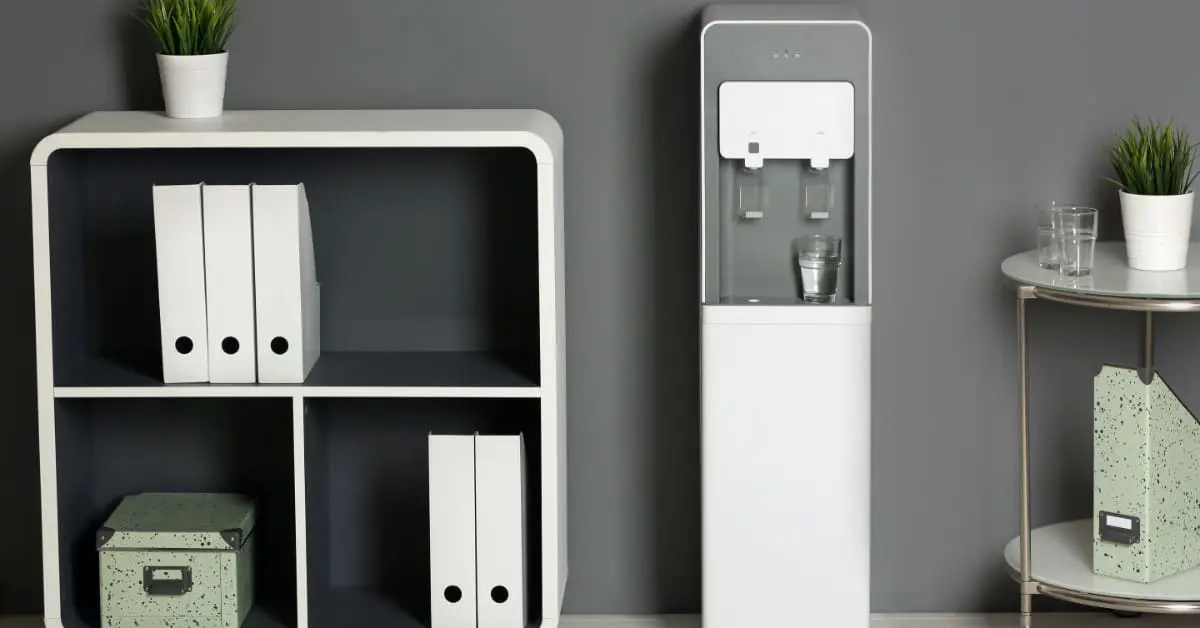
Placement affects how often people use the dispenser. If the unit sits in a hidden corner, employees may forget about it. If you put it in a natural gathering space, though, it’ll become part of the daily routine.
Break rooms are often a strong choice because people already visit them regularly throughout the day. Waiting areas can also work well when businesses want to offer guests a simple amenity. Some offices benefit from placing a unit near shared work areas where employees frequently pass.
Ideally, the best location should feel convenient without creating crowding. People should be able to use the dispenser easily and return to work without blocking traffic.
What Installation Usually Involves
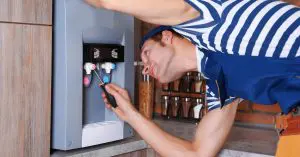
Some businesses hesitate because they expect installation to be disruptive. In most cases, this doesn’t take long at all, as long as a trained technician handles it. The process typically involves the installer connecting the unit to the water line, checking performance, and ensuring everything works as expected.
After setup, employees usually need very little instruction. Most bottle-free water dispensers use clear controls and a familiar design, so people can start using them right away. That simplicity makes the transition feel much less technical.
How to Use a Bottleless Dispenser Well
Daily use should stay simple, but a few habits can keep the station cleaner and more pleasant for everyone. Employees should fill clean cups or reusable bottles and avoid pressing the rim of the container against the dispensing area. Small habits like that help protect cleanliness around a shared appliance.
It also helps to keep any surrounding counters dry and uncluttered. When the area around the dispenser looks neat, people are more likely to treat it with care. That makes the whole setup feel more dependable over time.
Why Maintenance Matters
Bottleless dispensers still need regular service to perform well. Filters wear out over time, and internal parts need attention if the system is going to keep producing good-tasting water. Routine maintenance protects both water quality and day-to-day reliability.
The good news is that maintenance will be more predictable than burdensome. With scheduled service, the system stays in good condition without forcing office staff to take on extra work. That predictability is one reason many businesses find bottleless systems easier to manage than bottled service.
Finding the Right Fit for Your Workplace
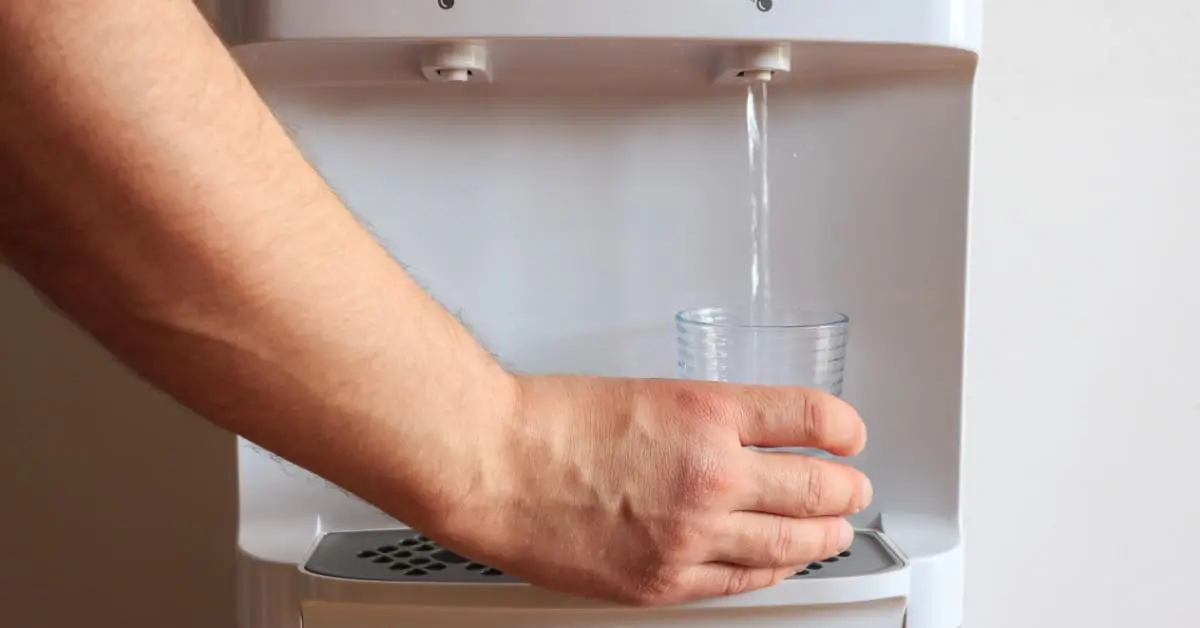
Not every office needs the same type of dispenser. A small business may do well with a compact model that handles steady daily use, while larger workplaces may need a higher-capacity unit that can serve more people without slowing down.
It helps to think about how employees and visitors will use the machine during a normal day. Some offices care most about cold drinking water. Others want hot water available as well because staff members use it often. Ensuring that your chosen unit meets the demand without taking over the room or falling short during busy periods will be key here.
How Bottleless Systems Support a Better Office
The final thing to know about using bottleless water dispensers is that these systems can improve more than access to water. It can make a workspace feel cleaner because there are no extra bottles to store and no empties waiting to be removed. That visual difference can make a break room instantly look more organized.
Many businesses also like the environmental benefit. Reducing reliance on disposable plastic and reducing the number of delivery cycles supports a more sustainable approach to workplace hydration.