A busy workday can make it easy to overlook basic needs. Between meetings and deadlines, employees may go hours without drinking much water, especially when they spend long periods at their desks. Although skipping a water break might seem insignificant, even mild dehydration affects how people feel and function throughout the day.
Understanding how staying hydrated affects work performance can encourage healthier workplace habits. Water supports multiple bodily functions that influence daily productivity, from maintaining mental alertness to regulating physical temperature. When businesses make drinking water convenient and accessible, employees have more opportunities to maintain proper hydration throughout their shifts.
Proper Hydration Supports Better Concentration
Maintaining focus requires consistent mental effort, particularly during tasks that demand sustained attention. The brain relies on adequate hydration to function efficiently, and dehydration can interfere with concentration. Employees who don’t drink enough water may find it harder to stay engaged with detailed assignments or maintain their attention during lengthy meetings.
Even mild dehydration can affect cognitive performance, although individual responses vary. Research suggests that insufficient fluid intake may reduce alertness and make certain mental tasks feel more demanding. These effects become especially noticeable when employees work for extended periods without taking breaks.
Drinking water regularly supports the brain’s normal functions and allows employees to focus on their responsibilities. Rather than waiting until they feel extremely thirsty, workers can establish consistent drinking habits throughout the day.
Drinking Enough Water Maintains Energy Levels
Afternoon fatigue often affects employees regardless of their responsibilities. While several factors contribute to tiredness, inadequate hydration can make fatigue more noticeable. Water supports normal circulation and other bodily processes that allow people to function comfortably throughout the workday.
Dehydration can reduce blood volume, which may place additional demands on the cardiovascular system. Employees might experience sluggishness or feel less motivated to complete physically or mentally demanding assignments. Drinking enough water supports normal physiological function, although it cannot replace adequate sleep or proper nutrition.
Consistent hydration also encourages employees to pay attention to their physical needs. Keeping water nearby makes regular drinking easier, particularly during busy periods when workers might otherwise overlook their fluid intake.
Adequate Water Intake Reduces Dehydration-Related Headaches
Headaches interrupt productivity and make routine responsibilities more difficult. Although headaches have many possible causes, dehydration can trigger or worsen them in some individuals. Employees who develop dehydration-related headaches may have trouble concentrating or completing assignments comfortably.
Water intake can relieve certain headaches associated with inadequate hydration. However, drinking additional water won’t necessarily resolve headaches caused by stress or underlying medical conditions.
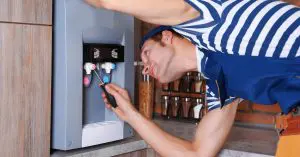
Workplaces can encourage healthier habits by providing convenient drinking water throughout the building. Employees who have easy access to a water filtration dispenser can refill their cups without traveling far from their work areas. This convenience makes it easier to maintain regular hydration habits.
Staying Hydrated Supports Physical Endurance
Not every workplace involves sitting behind a desk. Manufacturing employees and maintenance personnel perform physically demanding tasks that increase their fluid requirements. Workers who spend considerable time standing or moving throughout their shifts also benefit from maintaining adequate hydration.
Physical activity increases fluid loss through perspiration, particularly in warm environments. Without sufficient water, employees may experience fatigue or reduced physical endurance. Dehydration can also make it more difficult for the body to regulate its temperature during strenuous activity.
Employees who perform physically demanding work should have regular opportunities to drink water. Their individual needs depend on activity levels and environmental conditions, so workplace hydration practices should account for these differences rather than applying identical expectations to everyone.
Consistent Water Intake Supports Mood and Mental Well-Being
Workplace performance involves more than completing assignments; employees also need to manage frustration and maintain a reasonable level of emotional comfort during demanding situations. Research suggests that dehydration can negatively affect mood, particularly by increasing feelings of fatigue or tension.
These changes don’t mean drinking water will eliminate workplace stress. However, maintaining adequate hydration can prevent dehydration from adding discomfort to an already challenging day.
Employees who regularly drink enough water may find it easier to maintain their usual sense of well-being. Supporting basic physical needs creates a healthier foundation for handling everyday workplace challenges, even when workloads remain demanding.
Hydration Encourages More Productive Breaks
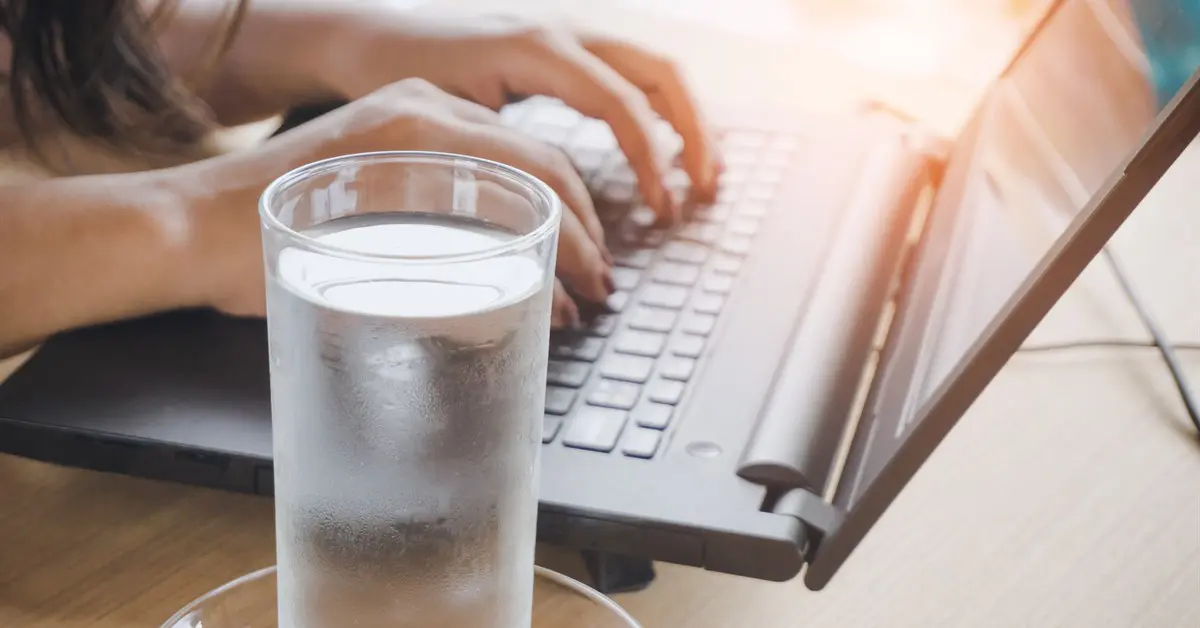
Taking brief breaks throughout the workday allows employees to interrupt long periods of continuous activity. Water breaks provide a practical reason to step away from a workstation, particularly for employees who spend hours concentrating on computer screens.
A trip to the water cooler can encourage movement and provide a short mental reset. Although hydration and breaks offer separate benefits, combining them creates a convenient routine that employees can maintain without significantly disrupting their schedules.
Businesses can make these opportunities more accessible by placing drinking water stations in convenient locations. Employees can incorporate quick water breaks into their existing schedules rather than treating hydration as an additional responsibility.
Accessible Drinking Water Promotes Consistent Hydration Habits
Understanding the benefits of hydration doesn’t automatically translate into drinking enough water. Workplace convenience often determines whether employees maintain healthy habits, particularly when their schedules leave little room for interruptions.
Businesses can encourage regular water consumption through practical improvements:
- Place water dispensers near frequently occupied work areas.
- Keep drinking water stations clean and accessible.
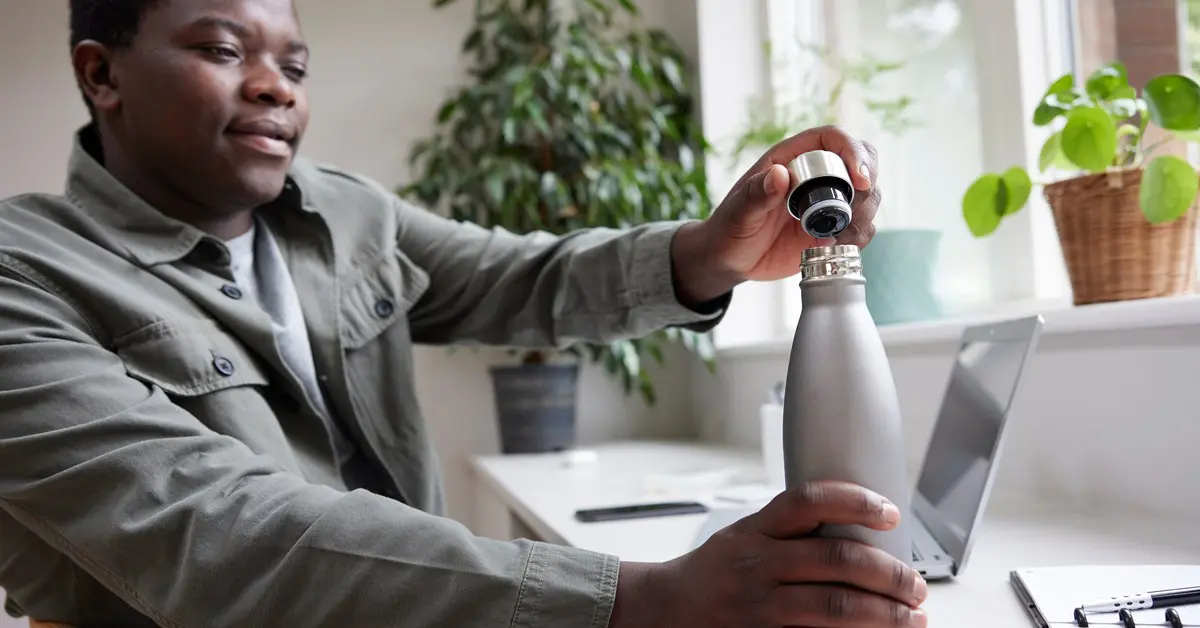
- Encourage employees to refill reusable water bottles.
- Allow regular water breaks during physically demanding shifts.
These measures reduce common barriers to drinking water without requiring major changes to daily operations. Employers should also recognize that hydration needs vary. Physical activity and environmental temperatures can influence how much water someone requires, making flexibility important when establishing workplace expectations.
Better Hydration Habits Create Opportunities for Improved Performance
The connection between hydration and productivity extends across different workplace environments. Employees who maintain adequate fluid intake can avoid some of the discomfort and cognitive difficulties associated with dehydration. While water alone doesn’t determine job performance, it supports the physical conditions employees need to function effectively.
Recognizing how staying hydrated affects work performance gives businesses another reason to prioritize convenient drinking water access. A dependable water dispenser makes it easier for employees to incorporate hydration into their routines without interrupting important responsibilities.
At Total Office H2O, we provide bottle-free water coolers that give businesses convenient access to filtered drinking water. Our solutions eliminate the need for traditional five-gallon bottle deliveries while supporting practical workplace hydration habits. Contact us today to discuss your office’s drinking water needs and explore our available water cooler options.