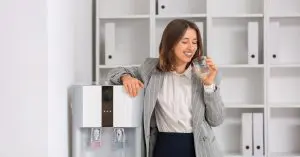
Most offices produce waste without giving it much thought. Employees throw away disposable cups, empty water bottles collect in recycling bins, and routine deliveries bring more packaging through the door. Individually, these habits might seem insignificant, but their environmental impact grows over time.
Businesses that want to operate more sustainably often focus on major changes, such as reducing energy consumption or switching to digital documents. However, everyday workplace conveniences deserve attention, too. Understanding how water dispensers make your office more eco-friendly reveals opportunities to reduce waste without disrupting employees’ daily routines.
Water Dispensers Reduce Single-Use Plastic Waste
Disposable plastic water bottles offer convenience, but they also create a steady stream of waste. Even offices with recycling programs can’t guarantee that every bottle reaches a recycling facility, especially when employees throw bottles into regular trash cans.
Installing a water dispenser gives employees a convenient alternative to purchasing individual bottles throughout the workday. Workers can refill reusable containers whenever they need water rather than opening another disposable bottle.
The environmental benefits become more noticeable as employees develop consistent refill habits. A workplace that previously relied on packaged water can reduce its demand for disposable containers simply by making drinking water accessible. Businesses don’t need to eliminate every disposable bottle immediately to make progress toward reducing plastic consumption.
Bottleless Water Coolers Eliminate Traditional Water Jug Deliveries
Traditional office water coolers require regular deliveries of large water jugs. Although suppliers may reuse these containers, transporting them between facilities still requires fuel and contributes to vehicle emissions.
Unlike conventional systems, bottleless coolers connect directly to an existing water supply. They provide drinking water without requiring employees to replace heavy jugs or coordinate recurring water deliveries. This difference reduces the transportation demands associated with workplace drinking water. Delivery vehicles no longer need to visit the office to replenish its supply of drinking water containers.
The environmental impact depends on factors such as delivery frequency and transportation distance. Nevertheless, eliminating routine water jug shipments removes one recurring source of transportation activity from office operations.
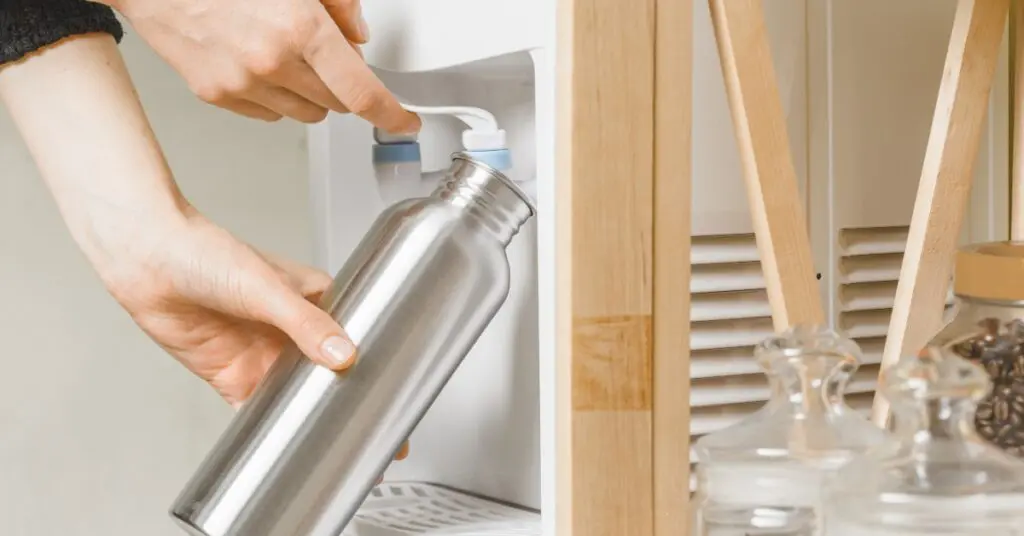
Water Dispensers Encourage Employees To Use Refillable Bottles
Changing workplace habits starts with making sustainable choices more convenient. Employees who have easy access to drinking water have fewer reasons to rely on disposable containers during their shifts.
A strategically placed water dispenser supports reusable bottle habits by giving workers a consistent location for refills. Employees can bring their preferred containers from home and use them throughout the day.
Office managers can encourage participation through a few simple measures:
- Provide convenient access to water dispensers in shared spaces.
- Encourage employees to bring reusable drinking containers.
- Keep refill stations clean and accessible.
- Include water refill locations in new employee orientations.
These measures make sustainable drinking habits easier to maintain without introducing complicated workplace policies. Over time, refillable bottles can become part of employees’ normal routines because they have convenient access to the water they need.
Water Dispensers Reduce Packaging and Storage Waste
Packaged drinking water creates environmental concerns beyond the bottles themselves. Cases of water frequently arrive wrapped in plastic film, while some shipments use additional packaging to protect products during transportation. Offices that purchase bottled water in bulk must also manage the materials that accompany each shipment. Even recyclable packaging requires collection and processing, which consume resources.
A water dispenser connected to the building’s plumbing reduces the need for packaged drinking water. Instead of repeatedly bringing cases into the office, businesses can provide water directly from an installed system.
This change can also free storage space previously dedicated to water inventory. Supply closets and break rooms no longer need to accommodate stacks of bottled water or spare water jugs, creating more room for other workplace necessities.
Modern Water Dispensers Support Efficient Resource Management
Environmental responsibility involves more than reducing visible waste. Businesses must also consider how efficiently their equipment uses resources during normal operations. Different water dispensers have different energy requirements. Models that provide chilled or heated water consume electricity, while certain filtration technologies may produce wastewater during treatment.
Choosing equipment that matches workplace demand prevents unnecessary resource consumption. For example, an office should consider how many employees will use the dispenser and whether they need both hot and cold water.
Proper maintenance matters because replacing filters according to manufacturer recommendations supports consistent system performance. Addressing leaks promptly also prevents avoidable water loss, allowing businesses to manage their resources more responsibly.
Water Dispensers Make Sustainable Workplace Practices More Visible
Employees often encounter company sustainability initiatives through announcements or written policies. Although these communications explain organizational goals, everyday workplace features make environmental responsibility more tangible.
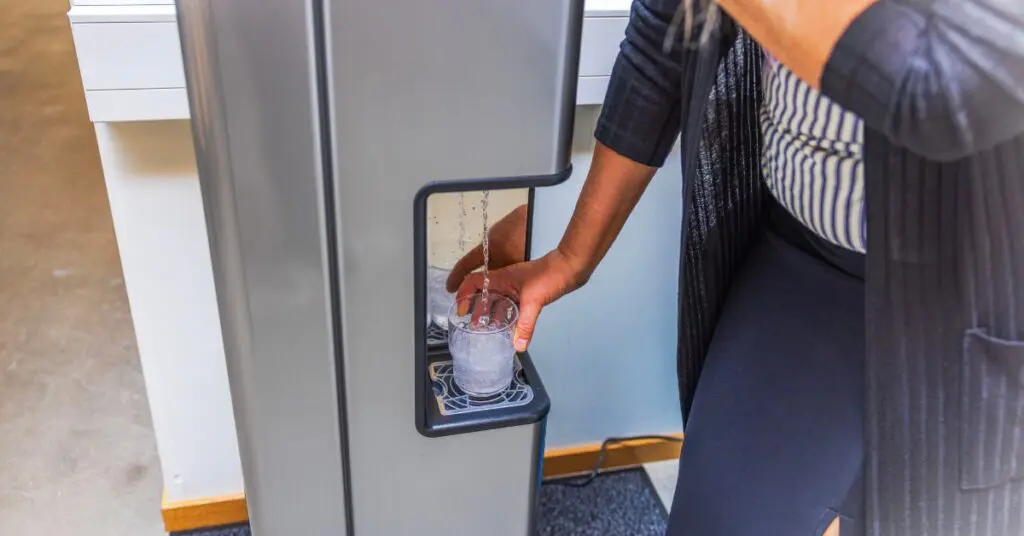
A water dispenser offers a practical example of sustainability in action. Employees interact with it regularly, making waste reduction part of their normal work experience rather than an occasional initiative. Businesses can reinforce this connection by explaining why they provide refill stations. Simple communication about reducing disposable water bottles gives employees a clear reason to participate.
Visible changes also encourage conversations about other workplace practices. Employees may become more aware of how routine purchasing decisions affect the amount of waste their office generates.
Water Dispensers Support Long-Term Office Sustainability Goals
Sustainable business practices work best when companies can maintain them without creating operational challenges. Complicated initiatives may require extensive employee participation, while practical infrastructure improvements support environmental goals through normal daily use.
Water dispensers offer a relatively straightforward way to address recurring drinking water needs. Once a business installs an appropriate system, employees can access water without relying on frequent purchases of packaged alternatives.
Companies can evaluate their progress by reviewing bottled water purchases before and after installation. Comparing purchasing records provides a practical indication of whether the office has reduced its dependence on disposable containers.
Long-term success requires continued attention to equipment maintenance and employee needs. A dependable system encourages regular use, making water dispensers a useful part of an ongoing sustainability strategy.
Make Your Office More Eco-Friendly
Understanding how water dispensers make your office more eco-friendly is an important step toward creating a more sustainable workplace. Reducing disposable plastic consumption and water deliveries can make a meaningful difference in everyday office operations.
At Total Office H2O, we provide bottle-free water cooler solutions for businesses looking to reduce their reliance on traditional water deliveries. Our drinking water filtration systems offer convenient access to water while eliminating the need for recurring five-gallon jug shipments.
We’re committed to providing dependable customer service and practical drinking water solutions that fit your workplace. Contact Total Office H2O today to discuss your office’s needs and explore our bottle-free water cooler options.