
Most people don’t consciously make a decision about the temperature of the water they’re drinking. They just get what’s available to them and move on with their lives. However, this small detail might warrant deeper consideration. There is a clear difference between cold and room temperature water, and one of them might be better for you than the other. Let’s compare the two to determine which you should be drinking.
Cold Water Has a Clear Role When Heat Is the Problem
Cold water offers its strongest practical advantage during hot conditions or intense physical activity. People who exercise regularly in the heat often find that cold fluids can reduce the rise in their core temperature and enhance the refreshment that helps them keep drinking. Those effects don’t turn cold water into a performance shortcut, but they can make hydration feel easier when body heat is already uncomfortable.
Temperature also changes perception. A cold drink can feel immediately restorative after outdoor work because the sensory contrast is strong, and that response may encourage another sip. In this context, preference supports the larger goal rather than replacing it.
Still, colder is not automatically better. Ice water may feel harsh when you drink quickly, and the sharp temperature change can distract from steady intake. If extreme cold makes you slow down or stop, lightly chilled water may be the more effective option.
Room Temperature Water Can Be Easier to Drink Consistently
Room-temperature water rarely gets the same attention because it does not create a dramatic sensory effect. Its advantage is subtler: it often feels neutral enough to drink without noticing. That can help during long periods of desk work when hydration depends on quiet repetition rather than immediate relief.
Neutral temperature can also work well when you are not overheated. You may find it easier to take several comfortable swallows during a meeting or with a meal because the water doesn’t create a sudden cold sensation. The benefit comes from reduced resistance rather than a special physiological property.
This is where personal tolerance matters. Some people enjoy very cold water throughout the day, while others avoid it unless they are hot. Your preferred method will be the one that supports regular intake without making drinking feel like a task.
Digestion Claims Usually Go Beyond the Evidence
Many debates over water temperature and its relation to health rely on claims about digestion. Cold water is sometimes accused of slowing digestion or interfering with the way the body processes food, yet such broad claims are not well supported. Water itself does not disrupt digestion.
That doesn’t mean comfort is imaginary. A very cold drink may feel unpleasant if you are already dealing with stomach sensitivity, while room-temperature water may seem gentler in that moment. The important distinction is between a personal response and a universal health rule.
You don’t need to force cold water because someone else claims that it’s more refreshing. You also don’t need to avoid it because of a sweeping claim about digestion. Let your actual response guide the choice unless a clinician has given you specific instructions.
The Best Temperature Is Often the One That Increases Intake

Hydration advice becomes more useful when it accounts for behavior. Water supports normal body functions because you drink it, not because it reaches your glass at a supposedly ideal temperature. It’s better to focus on individual needs rather than assigning a universal advantage to cold or room-temperature water.
That makes preferences more important than they may seem. If chilled water draws you back to the dispenser several times during the afternoon, its appeal has practical value. If room-temperature water lets you finish a full glass without discomfort, that response matters just as much.
Availability can outweigh preference when the day becomes busy. Water that is easy to reach is more likely to become part of your routine, especially when you do not have to search for a clean cup or wait for a bottle to cool. A reliable setup removes small barriers before they turn into missed opportunities to drink.
Your Teeth and Head May Set Their Own Limits
Cold water can trigger brief pain when tooth sensitivity is present. It can also cause a cold-stimulus headache in some people, which makes the most refreshing option feel counterproductive. These reactions do not mean cold water is unhealthy, but they do show why a universal recommendation misses individual limits.
Room-temperature water avoids that sharp contrast. It may be a better everyday choice if cold drinks make you hesitate before each sip. You can still choose chilled water after exercise if the cooling effect feels worth it.
Persistent tooth pain deserves more attention than a temperature adjustment, though, as this doesn’t identify the cause. A dental professional can determine whether sensitivity points to worn enamel or another issue.
The First Sip Doesn’t Always Reveal the Better Choice
Cold water often makes the stronger first impression because the temperature creates an immediate sensation of relief. That reaction can make it seem like the obvious choice, especially when you’re thirsty. However, the temperature that feels best at first isn’t always the one you’ll keep drinking.
Very cold water may cause you to take smaller sips once the initial refreshment wears off. Room-temperature water may seem less satisfying at first, but it can remain comfortable through an entire glass. The better option depends partly on whether you’re judging the first sip or the full drinking experience.
This difference becomes more noticeable when you keep water nearby for an extended period. A temperature that feels appealing without demanding your attention can make regular drinking easier. Instead of choosing based only on immediate refreshment, consider which option you’re more likely to finish.
Water Quality Matters More Than the Temperature Debate
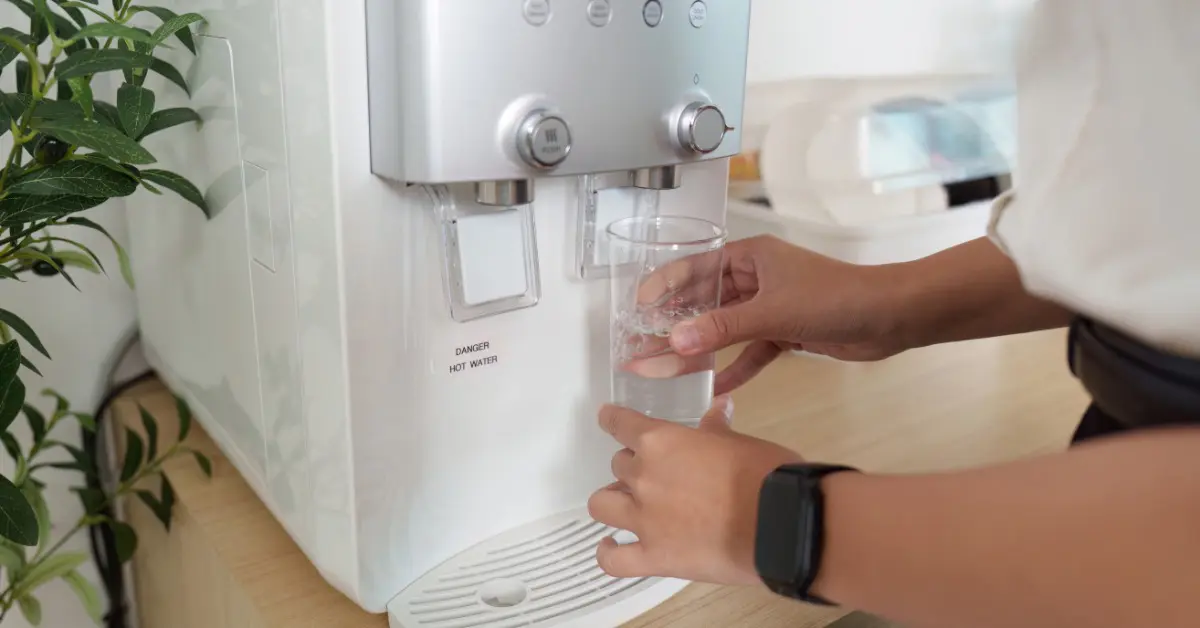
Whether or not cold or room-temperature water is better for you, this issue won’t fix an unpleasant taste or an inconsistent supply. If the water tastes stale, people may avoid it regardless of whether it is cold. A dependable water filtration dispenser can make both temperature options more appealing by improving the quality people notice first.
This matters in shared settings because preferences rarely match. One person may want a cold drink after walking in from summer heat, while another may refill a room-temperature bottle throughout the day. Access to both options removes the need to treat one preference as the standard for everyone.
Maintenance also shapes the experience. Clean dispensing points and timely filter changes support confidence in the water itself. Once those basics are reliable, temperature becomes what it should be: a flexible choice that helps you drink comfortably in the moment.