
Most office water coolers are chosen backwards. Someone starts with a model, a price, or a unit that looks fine in a catalog, then the workplace has to adjust around it. That’s how businesses end up with a cooler that sits in the wrong spot, dispenses too slowly during busy parts of the day, or includes features no one actually uses.
A better choice starts with the workplace itself. Think about who’s filling up, when demand spikes, what the space can support, and what staff shouldn’t have to manage. Once those details are clear, it becomes much easier to choose the right type of bottleless water cooler for the way your business actually runs.
Start With How Your Workplace Uses Water
Before you even start looking at your options, think about how people already use water during the day. A small office may need a simple unit for refilling cups, while a larger workplace may need faster dispensing to avoid unnecessary backups.
Usage patterns matter because not every cooler handles the same demand. If several people gather around the unit at lunch, a lower-capacity model may feel slow. If the cooler sits in a reception area, quiet operation and a polished look may matter as much as output.
You don’t need a complex calculation to begin. Look at where people currently get water and how often guests use that area. Also, note whether employees usually fill disposable cups or larger bottles.
Decide Between Freestanding and Countertop Models
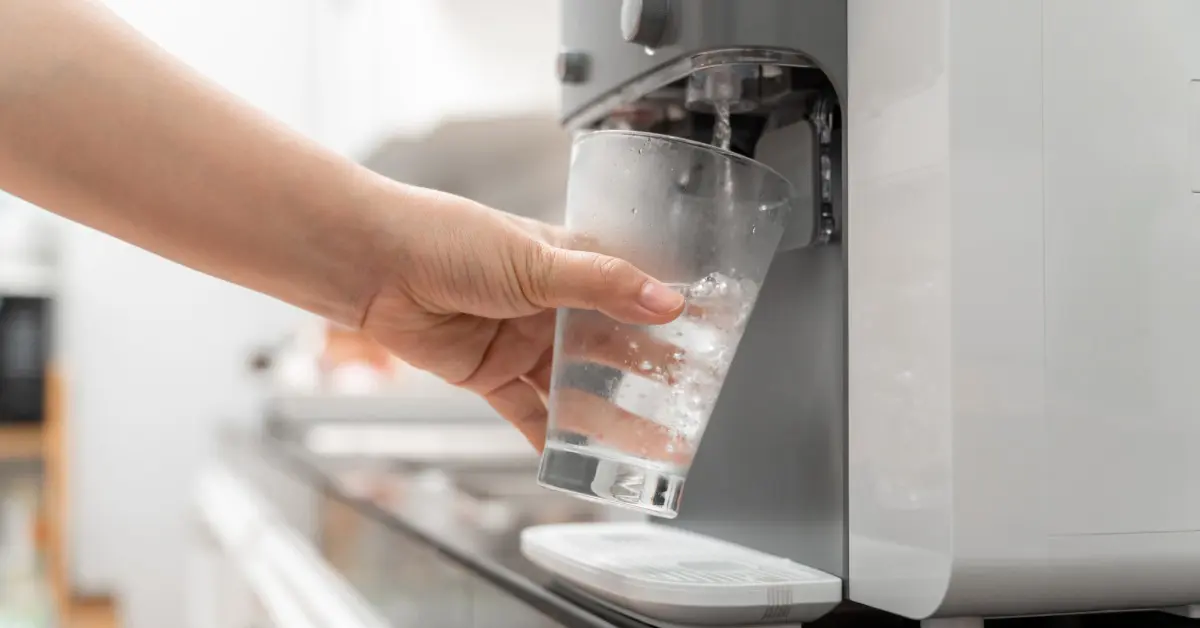
A freestanding bottleless water cooler works well when you want a dedicated water station. It doesn’t need counter space, so it often fits break rooms and shared office areas. Many businesses choose this style because it gives employees a clear place to refill.
Countertop units can work better when floor space is tight. They sit near a sink or prep area and keep the room open. This style may suit smaller offices where every square foot already has a purpose.
Neither option is automatically better. The right choice depends on the layout and the nearby water connection. If a unit creates a bottleneck, even a high-quality cooler can become frustrating.
Match Filtration to Your Water Concerns
Filtration plays a major role in how the cooler performs. Some systems focus on taste, while others address sediment or specific water quality concerns. The best fit depends on your local water and the issues people notice most.
Activated carbon filtration often helps improve taste. Other filter types may target particles or additional impurities, depending on the equipment. A water professional can explain what each filter does in plain language and help you avoid paying for features you don’t need.
Think About Temperature Options
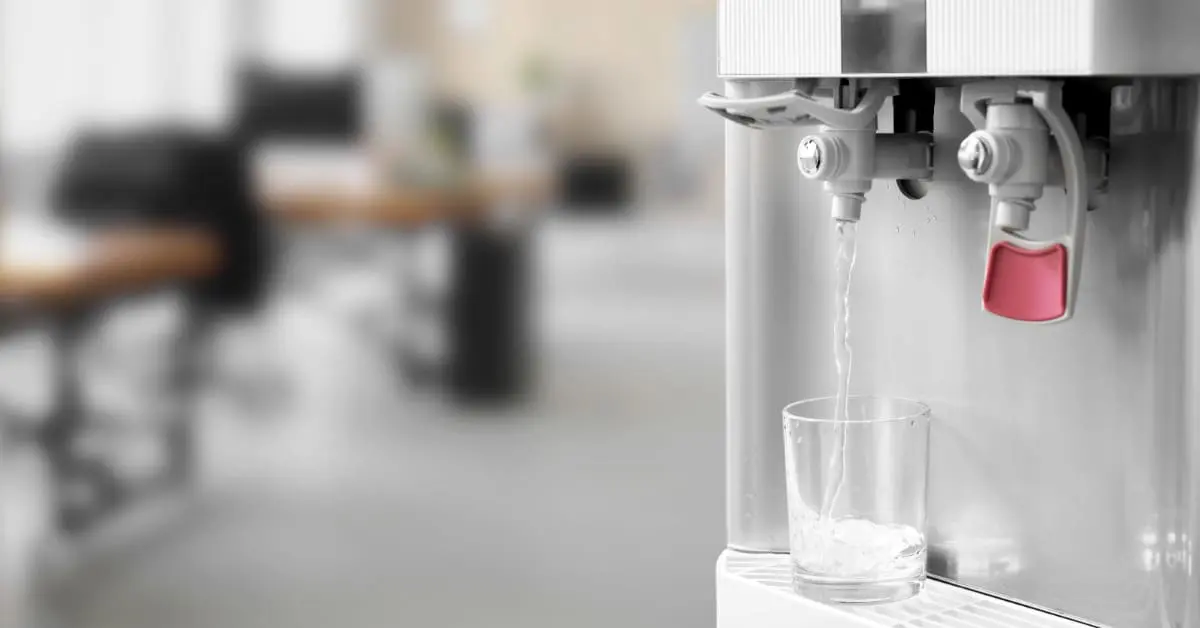
Most offices want chilled water, but some workplaces need more. A hot-and-cold unit can support tea or instant coffee without adding a separate appliance. That can make a shared kitchen feel more useful without crowding the counter.
Room-temperature water also matters for some teams. Employees may prefer it for medication or hydration during long shifts. If your workplace has mixed preferences, a cooler with multiple temperature settings can prevent complaints.
Still, safety concerns should guide hot water decisions. If children visit the building or the unit is in a public area, look for a model with a reliable hot-water safety feature. That small detail can make the cooler much easier to manage.
Consider Ice and High-Demand Features
Some workplaces need more than drinking water. A bottleless cooler that can dispense ice can help offices that host guests or support long shifts. It may also reduce trips to a refrigerator ice maker that can’t keep up.
Ice-capable units usually require more planning since they may need extra space or a stronger connection setup. Before coming to a decision, confirm that the location can support the model without creating potential service problems later.
High-demand features make the most sense when they solve a real daily issue. If employees rarely use ice, a simpler unit may offer better value. If your team constantly runs out, the upgraded model may be the more practical choice.
Ask how often filters need service before you choose a unit. A cooler that looks affordable at first may become less appealing if filter costs feel unpredictable. Many offices prefer a steady monthly arrangement because it makes budgeting easier.
Review Placement Before You Choose a Model
Placement can determine whether people use the cooler comfortably. The unit needs access to a water line, but it also needs to fit the room without blocking traffic. A cooler tucked into the wrong corner may look neat while still feeling inconvenient.
Think about nearby electrical outlets and walking paths. Also consider who will use the unit most often. In a large office, a single central cooler may not serve everyone well if departments are far apart.
Visibility can help adoption. When employees can see the cooler during normal routines, they’re more likely to use it. That’s especially helpful when a business switches from delivered jugs or single-use bottles to bottleless coolers.
Compare Service and Cost Structure
While the equipment you choose matters, service tied to it will be just as important. A reliable provider should explain installation and routine support before you commit. Clear expectations help prevent surprise costs.
Monthly pricing can make comparison easier when it includes the essentials. Ask whether filter replacements come with the plan and whether or not the rates stay consistent. Those details matter to office administrators who don’t want another task on their plate.
Maintenance should feel simple for your staff. Employees shouldn’t need to troubleshoot water quality issues or guess when the next filter change is due. A good service plan keeps the cooler working without pulling attention away from the business.
Choose a Style That Fits the Setting
It might be nice if a cooler in a warehouse break area looks good, but durability will be more important in these areas. On the other hand, a cooler in a front lobby may need a cleaner design since the guests will see it right away. Matching the style to the setting helps the unit feel like part of the workplace.
Noise level can also affect the decision. In a quiet office, even small mechanical sounds may become noticeable and potentially annoying. In a busy shop or large break room, dispensing speed may matter more.
Look at the cooler as part of the room, not just as equipment. The best model should support the people who use it without drawing attention for the wrong reason.
Ask the Right Questions Before Choosing
Once you have a short list, focus on practical questions. Ask what installation requirements there are and how the filters work. A provider should answer without making the process feel technical.
Even if you’ve decided which type of bottleless water cooler is right for you, it doesn’t hurt to ask which models your provider recommends. They’ll have the experience needed to let you know if you’ve made a solid choice or if something else might be a better fit for your needs.