
Something as simple as choosing a water cooler might seem like a small decision in the scope of running a business, but it’s more important than some people realize. That’s because it has a noticeable effect on daily comfort, productivity, and even how visitors perceive your space.
While there are a few options to choose from when it comes to water coolers, one that offers hot and cold options is typically the best option. Knowing the reasons why is crucial before making a purchase, and we’re here to explain what makes them so great.
1. Instant Access to Both Hot and Cold Water
The most notable perk of a hot-and-cold water cooler is that you can pour a cup of ice-cold water one moment and switch to near-boiling water the next, all from the same unit. This means employees can make tea, instant coffee, oatmeal, or soup without ever touching a kettle or microwave. Since the heating element keeps water ready at the right temperature throughout the day, nobody has to wait around for water to boil during a quick break.
That kind of immediacy matters more than it might seem, especially during a short lunch window when every extra minute spent waiting on a kettle cuts into actual rest time. Because the hot and cold sides operate independently, there is no risk of lukewarm water ruining either option.
2. Less Reliance on Single-Use Cups and Bottles
When a quality water cooler is available, people are far less likely to reach for bottled water or disposable cups stacked near the coffee station. Many hot-and-cold units pair naturally with reusable mugs and bottles, since the dispenser handles both temperatures, reducing plastic waste over time.
This may seem minor, but reductions in disposable bottle usage add up across an entire office or retail location, especially when you consider how many cups a single employee might use in a week. This shift away from disposables also tends to simplify supply ordering, since fewer cases of bottled water and fewer sleeves of disposable cups need to be restocked on a regular basis.
3. Built-In Filtration for Better Tasting Water
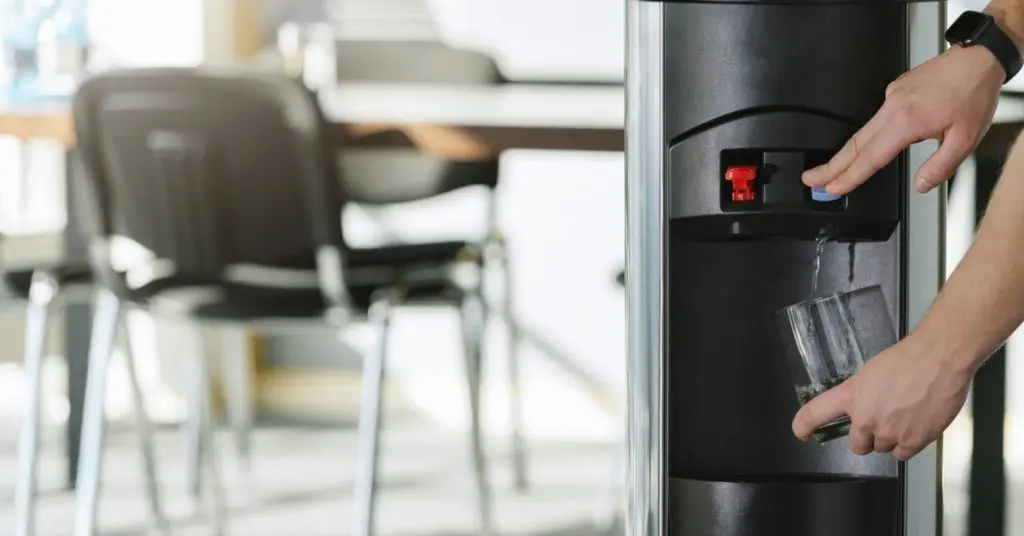
Most hot-and-cold coolers include a filtration system that removes chlorine taste, sediment, and other impurities before the water ever reaches the tap. A filtered water cooler tends to produce noticeably better-tasting water than what comes straight from a building’s plumbing, which makes people more likely to stay hydrated throughout the day. Better-tasting water also means less temptation to reach for a sugary drink from the vending machine to avoid the taste of plain tap water.
Filtration also tends to extend the life of the cooler itself, since removing sediment and mineral buildup before they reach the internal components reduces strain on the heating and cooling mechanisms. A unit that filters effectively often requires less frequent maintenance, which means fewer service calls and a longer stretch of reliable performance between cleanings.
4. Convenience for a Wider Range of Needs
A traditional cold-only cooler covers basic hydration, but it doesn’t do much for someone who wants a warm drink on a chilly morning or a fast way to prepare a cup of soup at their desk. A hot-and-cold unit covers both ends of that spectrum, so the same dispenser works for someone filling a personal water bottle and for someone making chamomile tea. This kind of flexibility means fewer separate appliances cluttering the break room, since the cooler effectively replaces both a standalone water dispenser and a hot water kettle.
That versatility becomes especially noticeable in offices with varied schedules, where some employees are winding down a night shift while others are just starting their morning. Having both temperatures ready at all hours means nobody has to adjust their routine around the limitations of the equipment.
5. A More Welcoming Space for Clients and Visitors
The small details in a waiting room or lobby often shape a visitor’s first impression more than people realize. Offering both hot and cold water options gives guests a simple but thoughtful choice, whether they want a warm cup of tea while they wait or a cold glass of water on a hot afternoon. This small gesture signals attention to comfort and hospitality, leaving a more positive impression than a sign pointing to a vending machine down the hall.
For businesses that regularly host clients, vendors, or job candidates, these small touches tend to add up over repeated visits. A guest who remembers being offered a warm drink on a cold day, without having to ask, often walks away with a slightly better impression of the business itself.
6. Energy Efficiency Compared to Older Alternatives
Many newer hot-and-cold water coolers use insulated tanks and efficient heating elements that consume less energy than older models or separate appliances running side by side. Rather than running a kettle and a mini fridge dispenser independently, a combined unit handles both functions with a single power source, which tends to lower overall energy costs over time.
For businesses trying to manage utility expenses across multiple appliances, consolidating hot and cold water into a single efficient unit is a practical way to trim unnecessary energy use. Many models also include standby modes that reduce power draw during off-hours, so the unit is not working at full capacity overnight or over a weekend when nobody is around to use it.
7. A Space-Saving Solution for Break Rooms and Offices
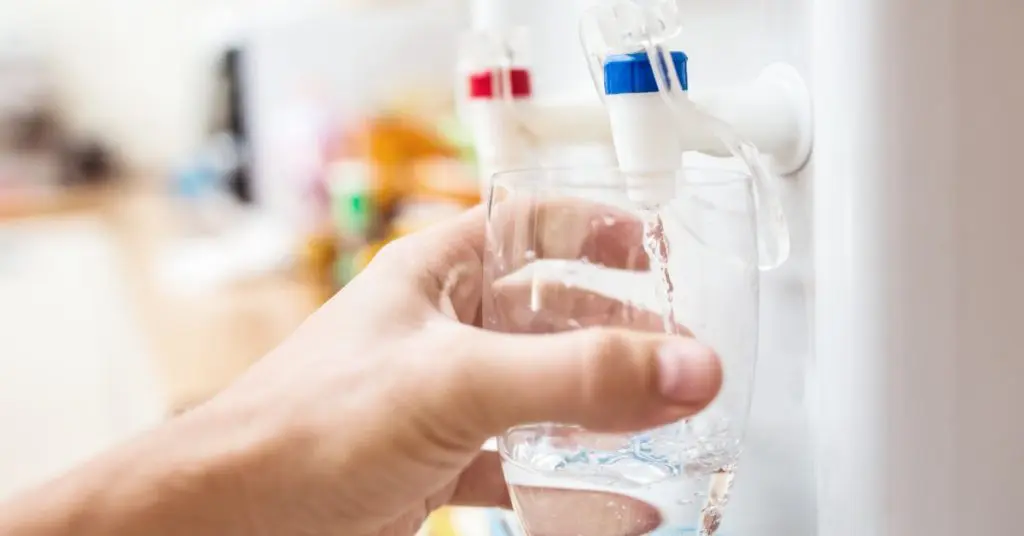
Finally, many break rooms and office kitchens are often tighter on space than anyone would like, and every appliance competes for counter space or floor space near an outlet. A reason to choose a hot-and-cold water cooler here is that it combines two functions into a single footprint, freeing up room for other essentials like a coffee maker or microwave. Bottleless floor-standing designs take this a step further by tapping into existing water lines. This helps keep the area looking clean and uncluttered, even in a busy shared space.
Countertop versions offer a similar advantage for smaller offices that cannot dedicate floor space to a standalone dispenser at all. Either way, consolidating two appliances into one means less clutter, fewer cords competing for the same outlet, and a break room that feels a little more organized without any extra effort.