
A shared break room can say a lot about how a workplace runs. When supplies are easy to find and the coffee area stays reasonably clean, people move through their day without thinking about it.
The same is true for the water station. Employees expect it to work every time they walk up to it, without issue. When that doesn’t happen, tensions can run high. To avoid this kind of issue, you need to know how to maintain a bottleless water dispenser, which we’re here to help with.
Build Maintenance Into the Normal Cleaning Routine
A dispenser is easier to care for when it becomes part of the routine instead of another task someone remembers only when there’s a problem. The best approach is simple. Tie dispenser maintenance to the cleaning work that already happens in the office.
That might mean wiping the exterior when counters are cleaned at the end of the day, but it could also entail checking the drip tray during the same pass through the break room. The goal isn’t to create a complicated process. It’s to keep the unit from being ignored until it looks neglected.
Clean the Touchpoints People Use Every Day
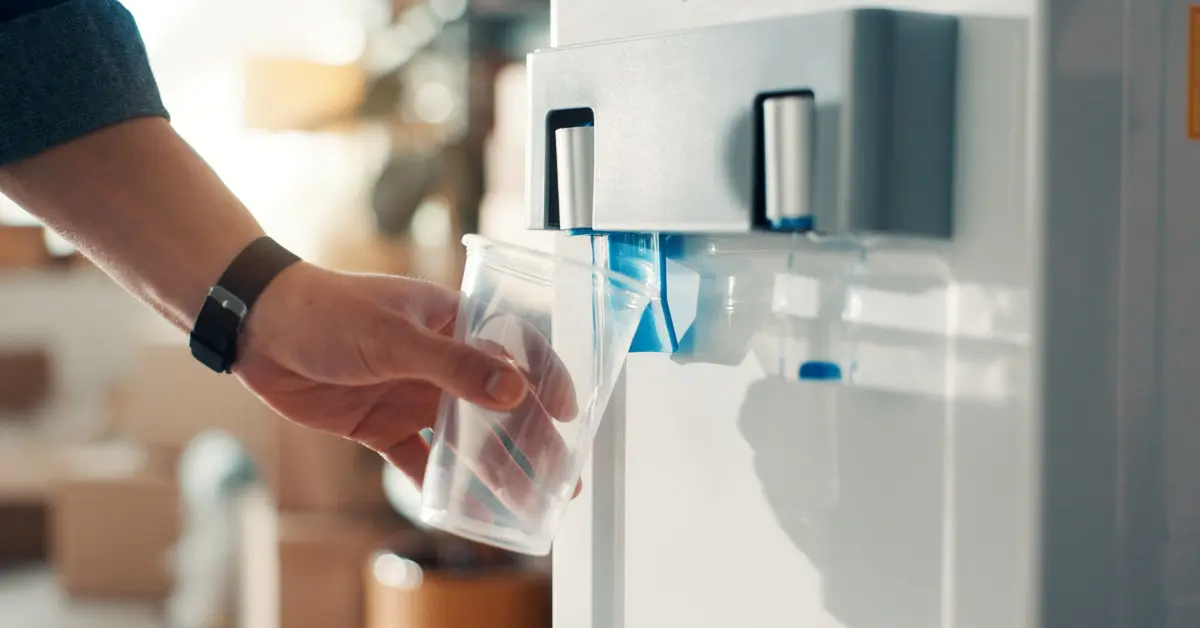
The buttons and dispensing area deserve the most consistent attention because they’re the parts people touch the most. A soft cloth and a mild cleaner are usually enough for basic surface cleaning. Before using any product on the unit, check the manufacturer’s guidance so the finish and parts aren’t damaged.
Avoid scrubbing with anything abrasive. Scratches around the dispensing area can make buildup harder to remove later. Gentle cleaning done often is usually more effective than waiting until the surface needs heavier work.
It also helps to slow down around the nozzle area. That part of the dispenser is close to the water people drink, so it should never be treated as an afterthought. A careful wipe keeps the unit looking cleaner and helps employees feel more comfortable using it.
Follow the Right Filter Schedule
Filters are central to how a bottleless dispenser performs. That’s because they help make water taste better, but they need to be replaced regularly to keep doing their job well. Waiting too long can lead to slower flow or changes in taste that employees will notice.
The right timing depends on the unit and how heavily it’s used. A small office may not place the same demand on a dispenser as a large workplace with steady foot traffic. That’s why it’s better to follow the service schedule rather than guess based on how the water tastes that day.
If your provider handles filter changes, keep a record of when the service happens. If your internal team tracks it, assign that task clearly. Filter maintenance should never depend on one person remembering it at the last minute.
Don’t Let the Drip Tray Become an Afterthought
The drip tray is easy to overlook because it sits below eye level. Still, it can become one of the first parts of the dispenser to look dirty. Water collects there after each use, and small spills can sit longer than expected during a busy day.
The most important thing to do is to empty the tray before it fills up. You should also rinse it on a regular schedule so residue doesn’t build up. If the tray is removable, clean it in a sink and let it dry before placing it back.
This small habit makes a noticeable difference. A clean tray helps the whole station look cared for. It also prevents odors that can make people question the cleanliness of the entire break area.
Watch for Small Performance Changes
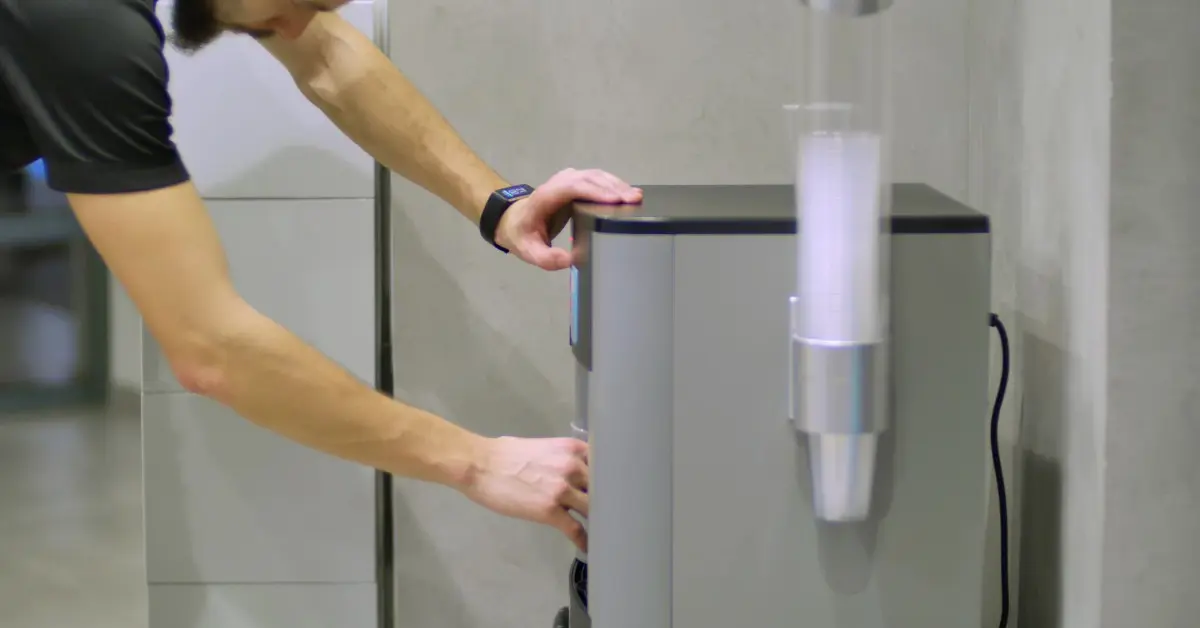
If you pay close attention, your bottleless water dispenser will show signs of trouble long before it stops working. The flow may slow down, or the water may not get as cold as it used to. Employees are likely the first to notice a change in taste even when the unit still looks fine.
These changes are worth reporting early. A slow stream might point to a filter that needs service, whereas a temperature issue may call for a technician’s intervention. Either way, the problem is usually easier to address before people start avoiding the dispenser.
Keep the Space Around the Dispenser Clear
Although a bottleless dispenser will save space because there are no heavy bottles to store nearby, the area around the unit still needs to stay open and practical. When the counter gets crowded, people have less room to fill bottles without spilling.
The space should be easy to reach and easy to clean. If the dispenser sits in a break room, avoid placing supplies directly in front of it. If it serves a lobby or waiting area, make sure the station still looks professional throughout the day.
Take Small Leaks Seriously
A slow drip can seem harmless at first. It may land in the tray and disappear from view. Over time, though, that drip can point to a part that needs adjustment or repair.
Water near the base of the unit needs faster attention. If not taken care of, it can create a slipping hazard, but it could also damage nearby flooring if it keeps happening. Wiping it up without reporting it only delays the fix.
If your business uses water dispenser rentals, check what support is included for leaks and service issues. One advantage of a rental arrangement is that your team may not need to handle every technical repair on its own. Knowing who to contact saves time and frustration when something isn’t working correctly.
Use Professional Service When It’s Needed
Office staff can usually handle everyday cleaning, but internal repairs should be left to trained service professionals. The water line and internal components require proper care. Guessing your way through a repair can make the problem worse.
Professional service also helps protect the dispenser over time. A technician can check for issues that aren’t visible from the outside. They can also confirm that the unit is performing as expected after filter changes or repairs.
Keep the Process Easy to Follow
When it comes to maintaining your bottleless water dispenser, a short checklist can prevent confusion about who handles what. It doesn’t need to be long; it just needs to cover the tasks that keep the dispenser clean and reliable.
Daily care may include wiping the exterior and checking the tray, while weekly care may include a deeper cleaning around the dispensing area. Scheduled service should cover filters and internal checks based on the provider’s recommendations.
When maintenance is visible, it’s less likely to fall through the cracks. Clean the parts people touch, keep track of filter service, and most importantly, report changes before they become bigger issues. With the right habits in place, your dispenser can keep doing its job quietly in the background.